Deliciously Appealing: Expert Tips for Food Photography
Food photography is a popular and lucrative niche within the world of photography. Learn to capture mouth-watering images.
Food photography is a deeply nuanced and highly lucrative niche within the broader world of commercial photography. Whether you’re an aspiring professional looking to add culinary shots to your portfolio, a restaurant owner wanting to showcase a new menu, or an enthusiastic amateur looking to elevate your Instagram feed, these expert, industry-tested tips will help you capture truly mouth-watering images that stand out in a crowded digital landscape.
First and foremost, lighting is absolutely everything. Natural light is almost always the best choice for food photography. Positioning your subject near a large window, ideally with indirect or diffused sunlight, will give your food a beautiful, soft, and inviting glow. Avoid harsh direct sunlight at all costs, as it creates unappealing, deep shadows and completely blows out the delicate highlights of fresh ingredients. If you are shooting on a cloudy day, use a white bounce board or a basic reflector to bounce the limited ambient light back onto the shadow side of the dish. If you want to dive deeper into controlling light and shadow ratios, we highly recommend checking out our comprehensive guide on mastering camera settings for high-contrast scenarios.
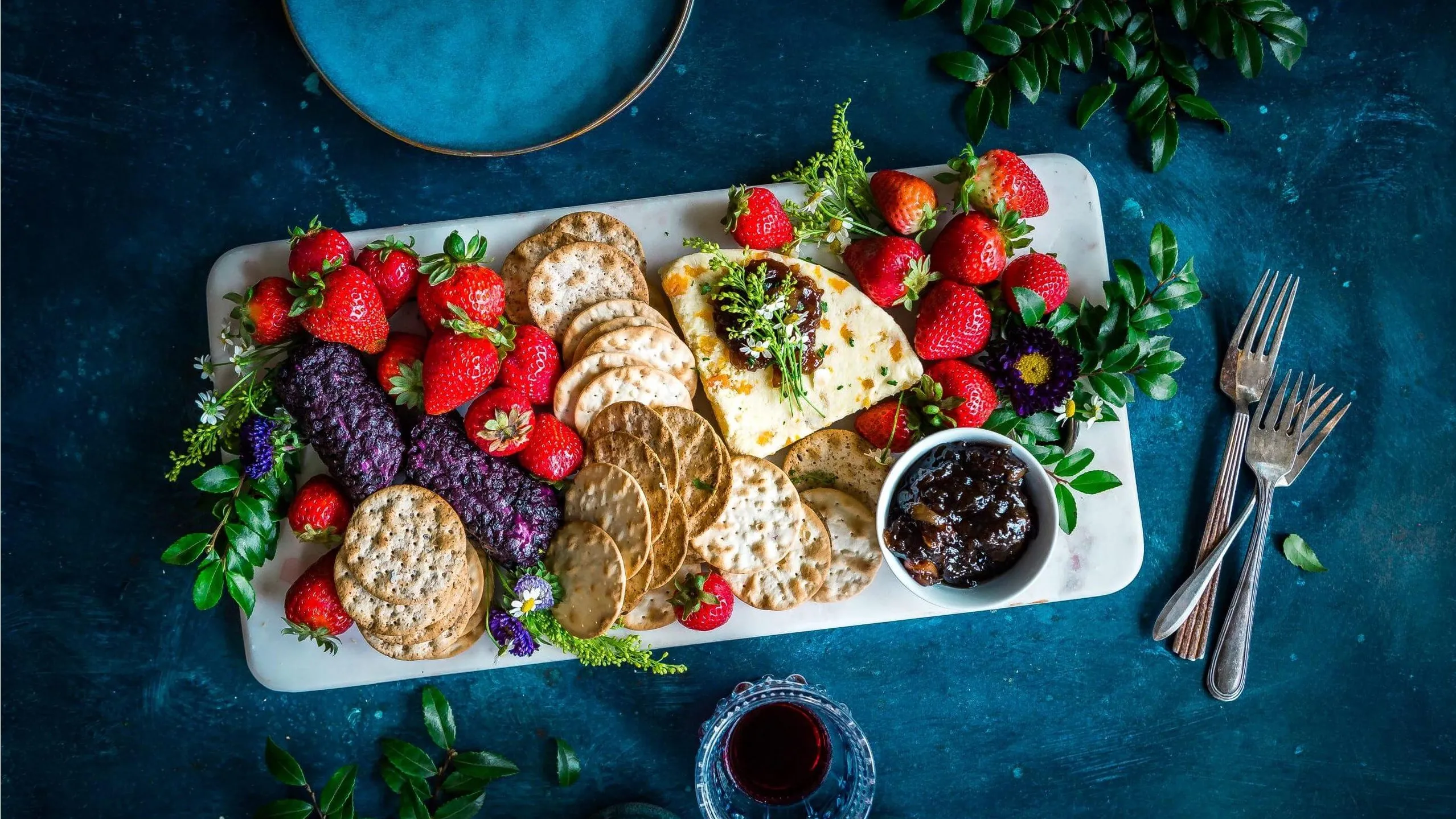
Second, pay close attention to the fine art of food styling. Professional food styling is about creating an environment that tells a story. Use props that complement the dish without distracting from it. Vintage silverware, rustic, scarred cutting boards, beautifully textured linen napkins, and scattered raw ingredients (like a pinch of coarse sea salt or a sprig of fresh rosemary) can add immense depth and context to your composition. Remember, the food is always the hero. Anything else in the frame should subtly elevate the main subject rather than fighting for the viewer's attention.
The concept of color theory is incredibly important when selecting your props and backgrounds. Complementary colors can make food pop off the screen. For instance, placing an orange-hued dish (like pumpkin soup or roasted carrots) on a muted blue ceramic plate creates instant visual harmony. This is the exact same principle discussed in our deep-dive into The Psychology of Color Theory in Art.
Finally, do not be afraid to experiment with different camera angles. While the classic top-down "flat lay" is fantastic for capturing a full, symmetrical table spread or a beautifully organized charcuterie board, shooting straight on or at a slight 45-degree angle can beautifully highlight the vertical layers of a gourmet burger or the majestic height of a frosted cake. The depth of field you choose is also critical here; shooting at f/2.8 or f/4 will elegantly blur the background, keeping the focus entirely on the tantalizing textures of the food.
Download our exclusive package of 5 high-resolution food photography assets using the button below. These royalty-free images are perfect for mocking up restaurant websites or editorial layouts.
📦 Download the Designer Asset Pack
Enjoyed the resources in this article? Enter your email to unlock my private vault of free premium UI templates, custom vector assets, and typography configurations delivered straight to your inbox.
Continue Reading

Best 5 high-quality christmas photos - 1
Today's free resource is a set of 5 high-quality free Christmas photos for your creative projects.
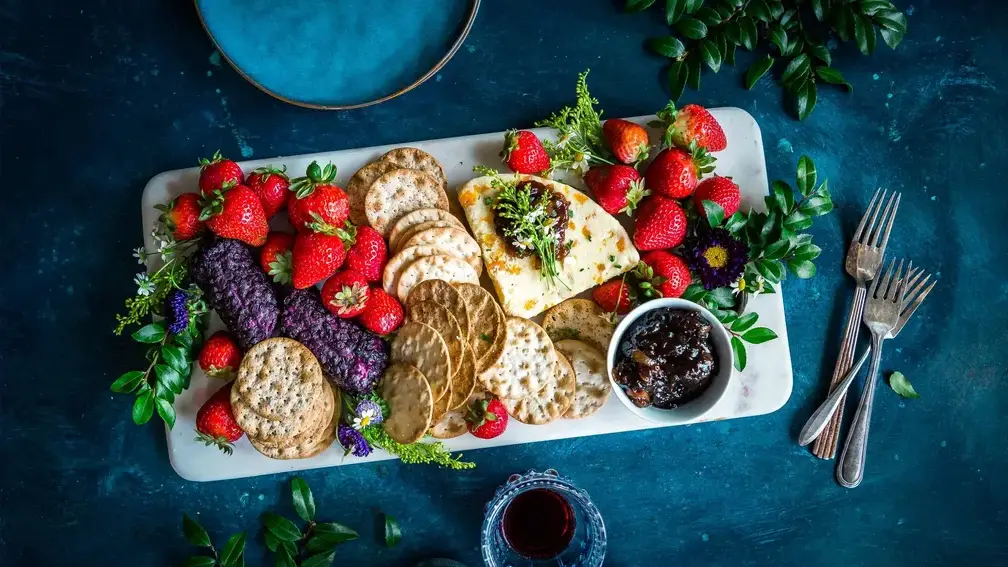
Best 5 high-quality free food photos - 1
Today's free resource is a set of 5 high-quality free food photos for your creative projects.
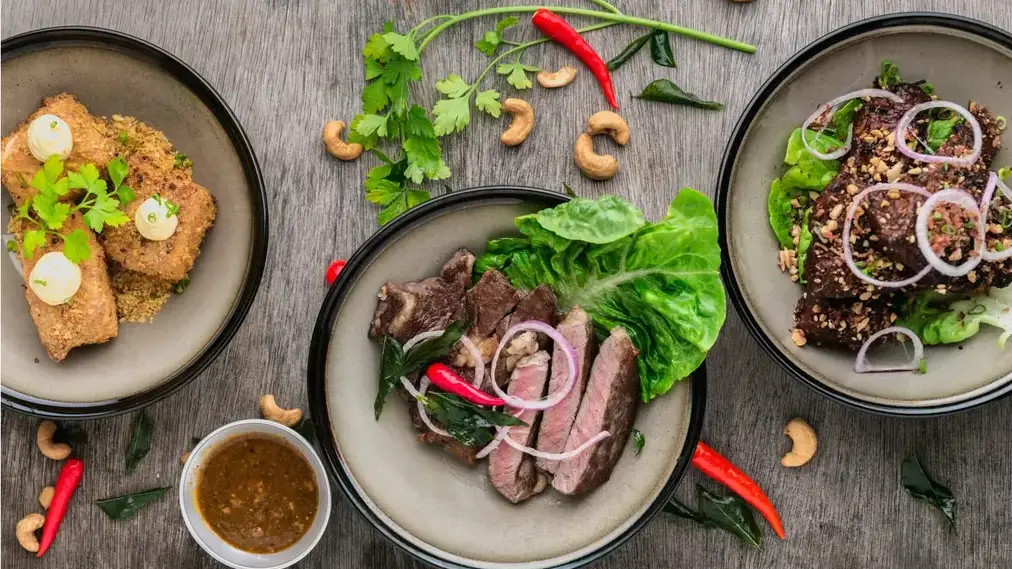
Best 5 high-quality free food photos - 2
Today's free resource is a set of 5 high-quality free food photos for your creative projects.