The Psychology of Color Theory in Art
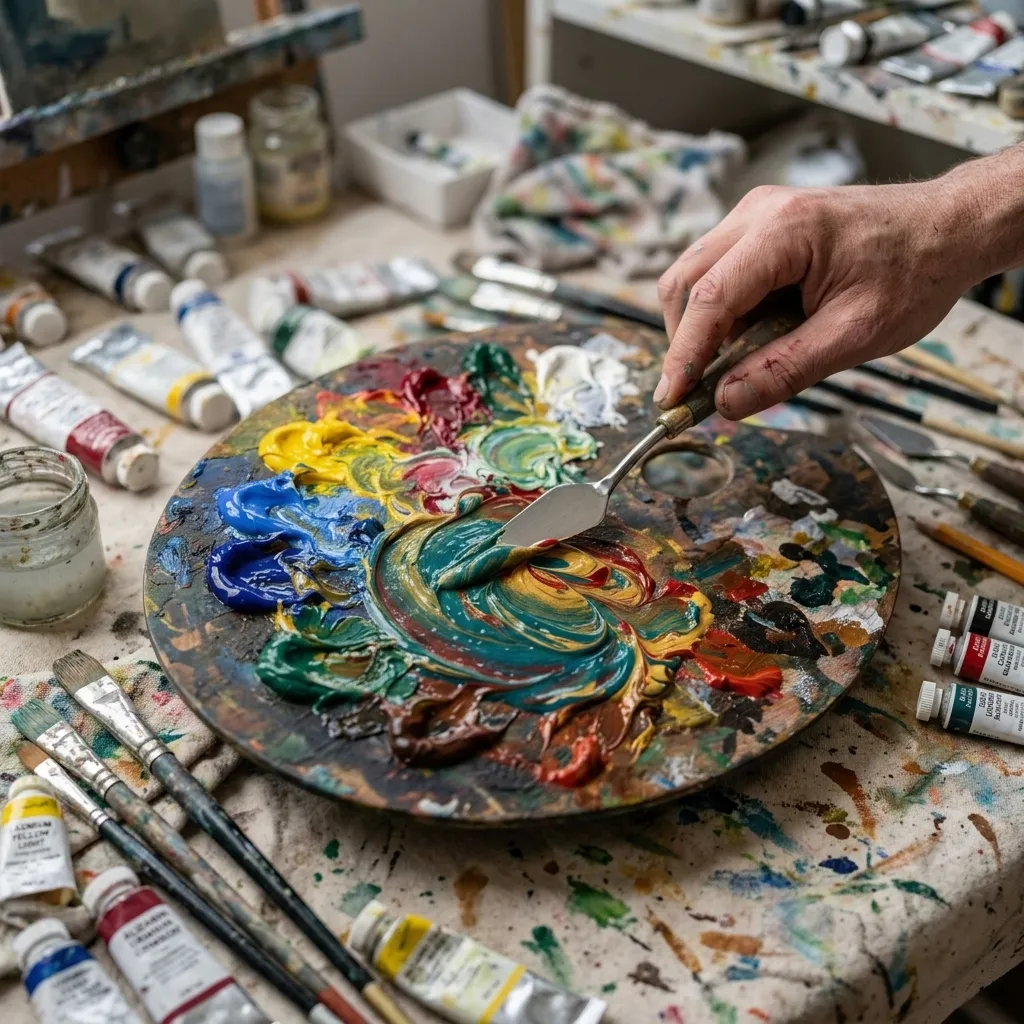
Discover how vibrant, swirling oil paints on a messy palette translate into deep emotional resonance on canvas.
Color is, without debate, the most powerful, immediate, and visceral communicative tool a visual artist possesses. Long before the brush or paint even touches the pristine weave of the canvas, the true magic of creation happens right on the wooden surface of the palette. The physical, tactile act of mixing incredibly vibrant, swirling, thick oil paints with a shiny steel palette knife is an intimate, almost meditative, and highly revealing process of discovering deep emotional resonance.
Understanding the true depths of color theory goes far beyond simply memorizing the standard, elementary color wheel. It is deeply, inextricably rooted in human evolutionary psychology and cultural conditioning. Warm, highly saturated colors like vivid cadmium reds, burnt oranges, and golden yellows instantly, almost aggressively, evoke powerful feelings of passion, urgency, danger, and kinetic energy.
Conversely, deep ultramarine blues, cool violets, and earthy sap greens provide a profound, immediate sense of tranquility, introspection, melancholy, or natural, organic growth. Knowing precisely how to balance, mix, and juxtapose these opposing psychological forces is the ultimate key to creating truly captivating imagery, whether you are crafting an abstract oil painting destined for a gallery wall, or designing a highly vibrant, commercial digital illustration like our popular Watercolour Tiger Vector Art.
As an artist, do not be afraid of the messy, beautiful, organic chaos of a mixed, unorganized palette. It is often within those accidental, serendipitous swirls and unmixed streaks of pure raw pigment that you find the exact secret to achieving perfectly balanced, hyper-detailed, macro-level textures in your final masterpiece. Embrace the color.
📦 Download the Designer Asset Pack
Enjoyed the resources in this article? Enter your email to unlock my private vault of free premium UI templates, custom vector assets, and typography configurations delivered straight to your inbox.
Continue Reading
Spooky Halloween Vector: Your Perfect Holiday Design!
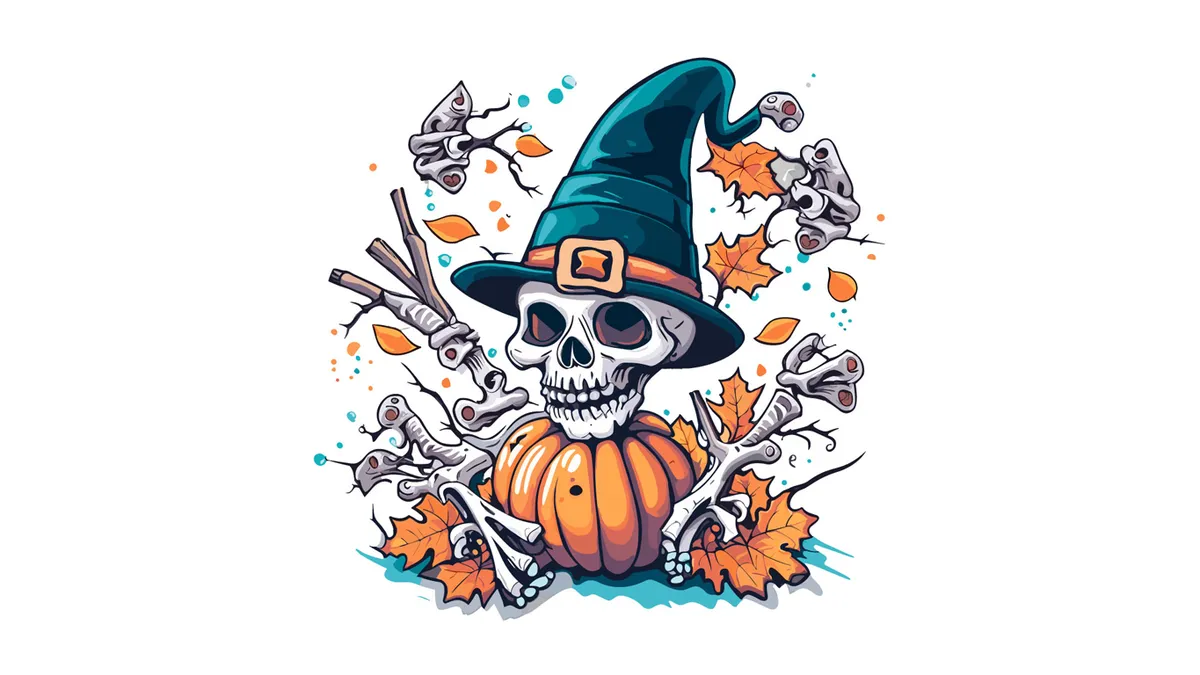
Dive into the Halloween spirit with our new vector creation! A top-notch image that captures the Halloween vibe.
Top 10 Free Resources for Graphic Designers in 2026
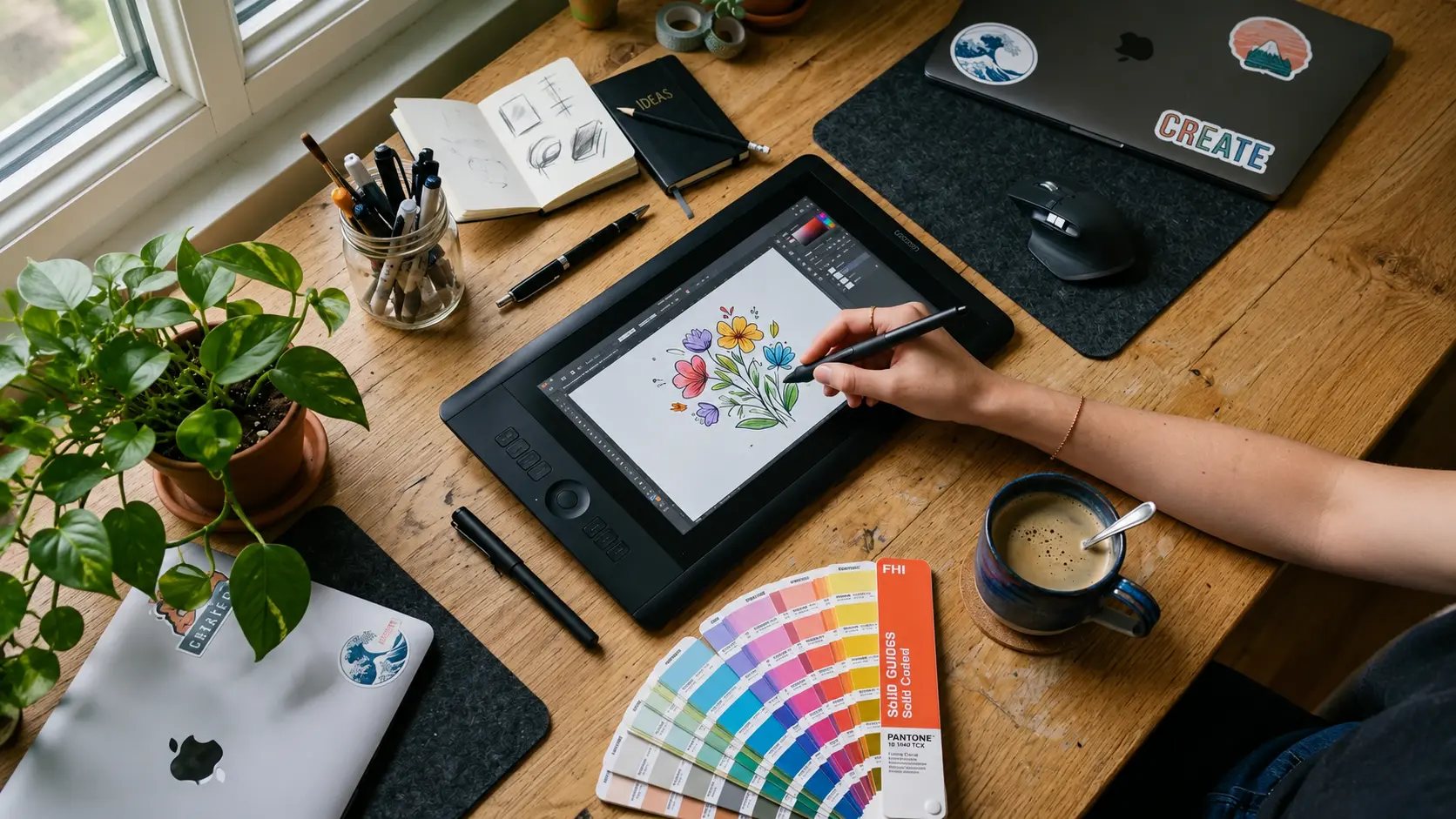
A curated master list of the best royalty-free vectors, icons, mockup generators, and color tools.
Vector art for Photography day
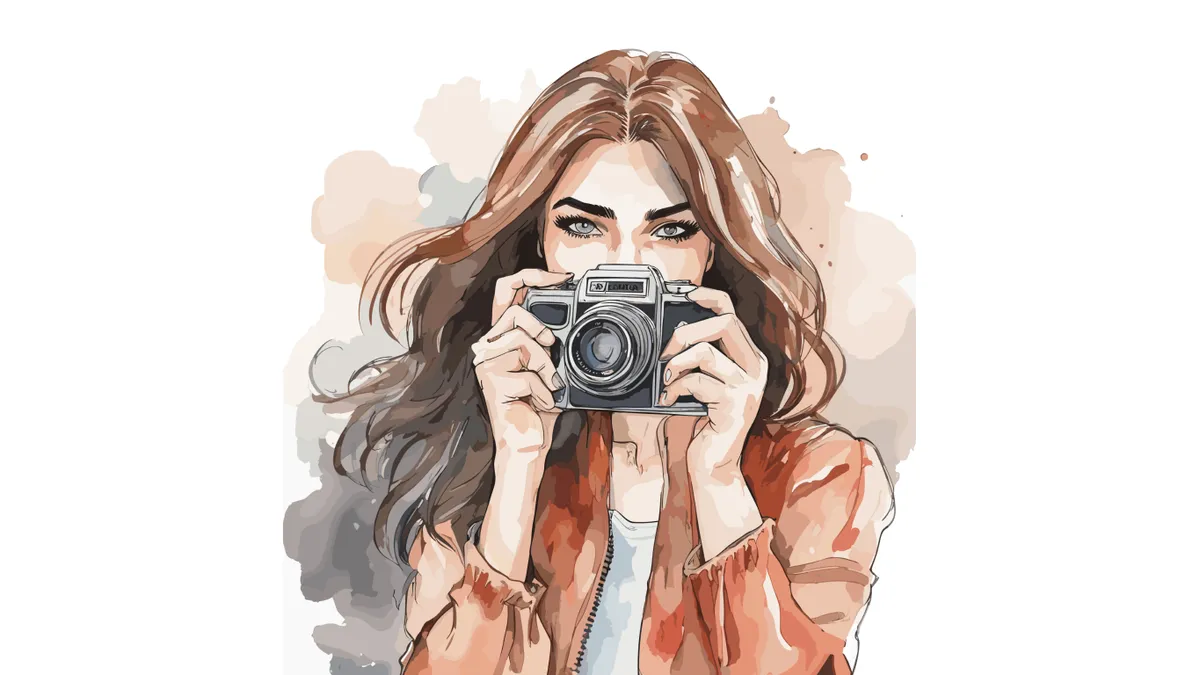
Commemorate World Photography Day with us by exploring our top-notch vector art collection.